Where It All Started
Before the slick partnerships and cinematic universes, LEGO’s first steps in gaming were modest but memorable. In the late ’90s, the company began experimenting with digital spaces that carried over its core idea: build, explore, create. LEGO Island (1997) was one of the first sparks a quirky open world where story met slapstick. It was clunky, sure, but it gave kids the sense that their toys had come to life. A year later, LEGO Creator followed, focused more on free build mechanics. The graphics were chunky, the interface slow, but the spirit the joy of snapping bricks together was there.
These early titles didn’t chase high scores or hardcore mechanics. They banked on playfulness. That simplicity aged well. For many players, these games were their first brush with 3D sandbox systems or user generated content. And that nostalgia stuck. It laid the groundwork for an online fan culture that still drives modern LEGO game mods, retrospectives, and fan builds today.
For more on those early foundations, take a look at LEGO’s journey in gaming.
LEGO Star Wars (2005) and the TT Games Partnership
When TT Games teamed up with LEGO in 2005 to launch LEGO Star Wars, they didn’t just release a licensed game they set the blueprint. It blended light hearted humor with simple but effective level design, drop in co op, and an obsession worthy system of collectibles. Suddenly, gamers weren’t just smashing bricks they were unlocking characters, revisiting scenes, and building franchise loyalty from the ground up.
What really worked was its accessibility. It didn’t matter if you were a seasoned player or a kid holding a controller for the first time. Anyone could jump in, laugh at slapstick cutscenes, and explore iconic movie moments built out of LEGO bricks. It was intuitive, goofy, and surprisingly smart a rare combo.
But the formula didn’t stay static. Over time, TT Games refined the visuals, added voice acting, introduced hub worlds with light RPG elements, and started treating IP with deeper storytelling respect. Later titles, like LEGO Marvel Super Heroes and LEGO Harry Potter, leaned harder into narrative detail without ditching the silliness. The evolution was slow and intentional, and it kept fans coming back without breaking what made the games feel grounded and fun.
What started as a clever licensed experiment became a genre defining style. For a look at that journey in more detail, check out LEGO’s gaming legacy.
LEGO’s Place in Today’s Digital Gaming World
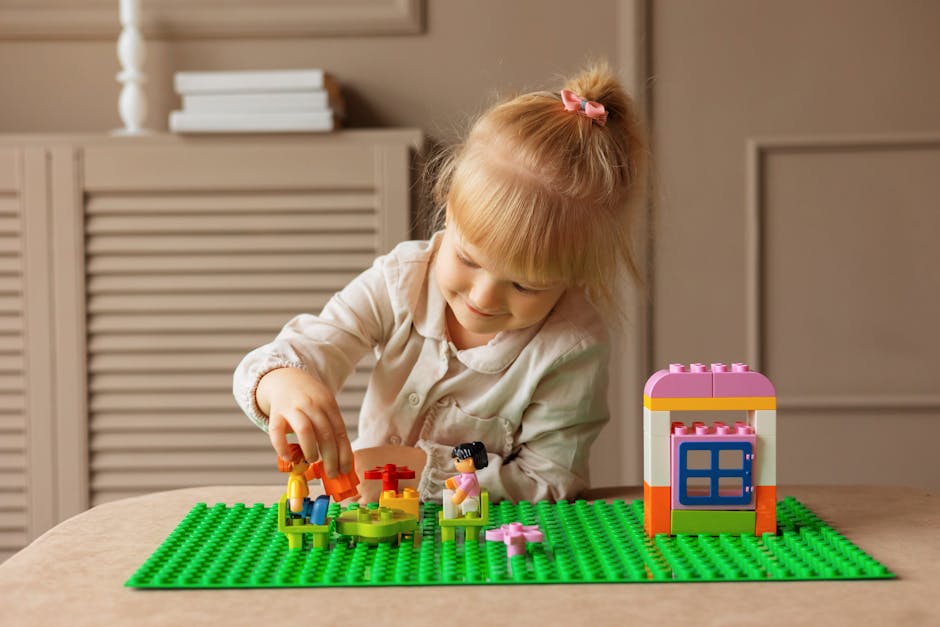
Open world thinking has finally reached LEGO gaming and it fits like a brick. Titles like LEGO Worlds and LEGO Builder’s Journey ditch the linear storylines and hand over the reins. Players aren’t just completing objectives they’re shaping entire worlds, brick by brick. It’s less about finishing and more about creating. That shift has made sandbox style play central to LEGO’s digital identity.
LEGO Fortnite took that freedom and dropped it into the survival arena. Rolling out with cross platform support was a savvy move. It turned LEGO from a sit down, casual builder into a full speed, multiplatform ecosystem. Kids, teens, and adult fans alike can drop into shared digital spaces, grind for materials, and build whatever they imagine in the middle of a game loop that feels alive.
What’s most compelling, though, isn’t just the scale it’s the tone. More developers are playing with light, color, and sound to give LEGO games real atmosphere. The result? These aren’t just toy inspired diversions anymore. They’re mood heavy, design first experiences. That’s what hooks players who care about the “feel” as much as the gameplay.
Creative control is the glue holding it all together. What players build is the game. And whether you’re seven or thirty seven, that kind of open canvas taps into something essential: the instinct to make and make it your own.
The Road Ahead
The next chapter in LEGO gaming blurs lines between screen and tabletop, handheld and headset. Hybrid play is no longer theory. Smart bricks are starting to talk to digital devices through AR, turning living rooms into buildable, playable levels. It’s not just about stacking bricks it’s about scanning them, syncing up, and unlocking zones through real world builds. This direction brings back tactile imagination, but wires it into a connected world.
Meanwhile, mobile’s no longer a secondary thought. Instead of just porting down console games, developers are designing ground up for phones and tablets. Touch interfaces, session based gameplay, and cross platform saves are becoming baseline expectations. This fits LEGO’s strength: quick in, build a bit, jump out style pacing that works for parents, kids, and longtime fans alike.
Then there’s Hollywood. LEGO isn’t just licensing IP it’s creating symbiotic titles that ride the release waves of major franchises. Cinematic tie ins are smoother now not just themes, but stories and gameplay mechanics that line up with big screen beats. It’s more coordinated, but also a tightrope. Go too far and the game becomes a marketing add on.
What LEGO’s getting right: tone. These games still hit that sweet spot between playful and polished. They’ve come a long way in art, UI, and even emotion driven narratives. But what’s missing? True innovation in gameplay loops. The builds are sharper, the menus cleaner, but some players are asking for deeper systems more complexity under the charm. Hybrid play might be the next answer. Or at least, a good excuse to knock down a few digital walls.
Final Takeaways for Fans & Gamers
LEGO’s digital evolution isn’t just about building new games it’s about building worlds. What started as miniature adventures in blocky 3D has morphed into full scale, immersive ecosystems where players shape not only the environment but also the rules. These aren’t just games anymore. They’re collaborative sandboxes where design, storytelling, and player agency collide.
It’s no longer about hitting nostalgia buttons. Yes, the charm of brick visuals and cheeky humor still lands, but what keeps people coming back is the feeling of creative control. Vlogging your digital builds, filming speedrun mods of LEGO survival maps, or crafting cinematic cutscenes inside virtual LEGO cities all of it reflects something deeper: a growing literacy in interactive design.
Looking ahead, LEGO isn’t chasing hype. It’s carving out its own space oddly quiet for such a colorful brand. Expect more subtle breakthroughs. Better building tools. Smarter integrations. And a continued blurring of lines between play, creation, and narrative. LEGO has gone from toy to toolkit and it’s only just getting warmed up.