Why Game Building is a Powerful Learning Tool
Game based play isn’t just fun it’s a blueprint for how kids naturally develop critical thinking. Structured play helps give shape to all that energy and curiosity. When rules, goals, and feedback systems are built in like in a game it encourages kids to try, fail, learn, and go again. That’s the same loop that drives real world innovation.
Gaming mechanics sneak problem solving into action. Craft a new level? You’re using spatial reasoning. Set up a scoring system? That’s basic logic and math. Hit a design bug? That’s debugging. The steps mirror real life engineering, development, and creative workflows.
When STEM toys add storytelling, coding, and design into the mix, it takes things up a notch. Kids build characters and worlds, then bring them to life with logic. This taps both sides of the brain creative imagination and analytical thinking linked together. And that makes the learning stick.
In short: Structured game building play gives kids a mental lab. They get space to explore, but with just enough framework to push deeper thinking.
Building your own game isn’t just fun it’s quietly training a kid’s brain to think, adapt, and try again. Game based STEM toys push kids to make choices, solve problems, and think ahead, even if they don’t realize it. Framing a level. Planning mechanics. Tweaking design to make it better. All of that builds critical thinking from the ground up.
But creativity doesn’t happen in a vacuum. These toys also teach patience. You try something. It doesn’t work. You shift. You rebuild. It’s iteration something engineers and designers live by. And when kids create games together, they learn how to listen, riff on each other’s ideas, and share credit. That’s collaboration in action.
What’s more, this type of play pulls both sides of the brain into the mix. Logic and sequencing meet storytelling and visual design. Left brain meets right brain in a sandbox of code, color, and challenge.
Most importantly, game based STEM play plants seeds. It sparks interest in how things work, why systems matter, and what’s possible when you build from scratch. Some kids stick with it and grow into coders and engineers. Some don’t. But all of them walk away a little more curious, confident, and capable.
Want to see how creativity grows through STEM gaming? Here’s a deeper dive.
LEGO® Education SPIKE™ Prime
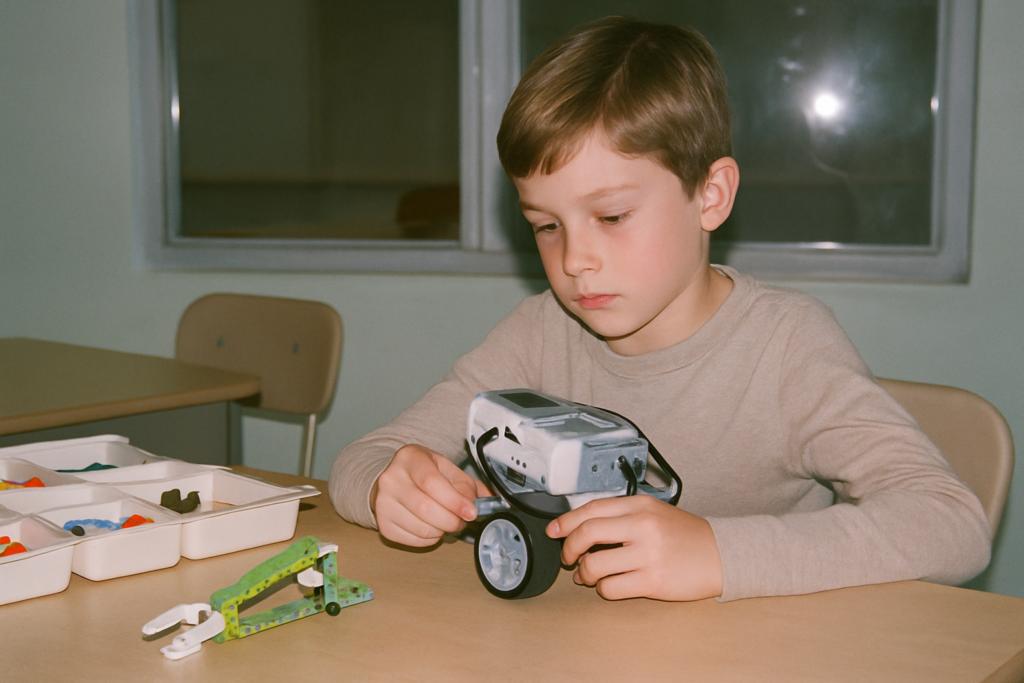
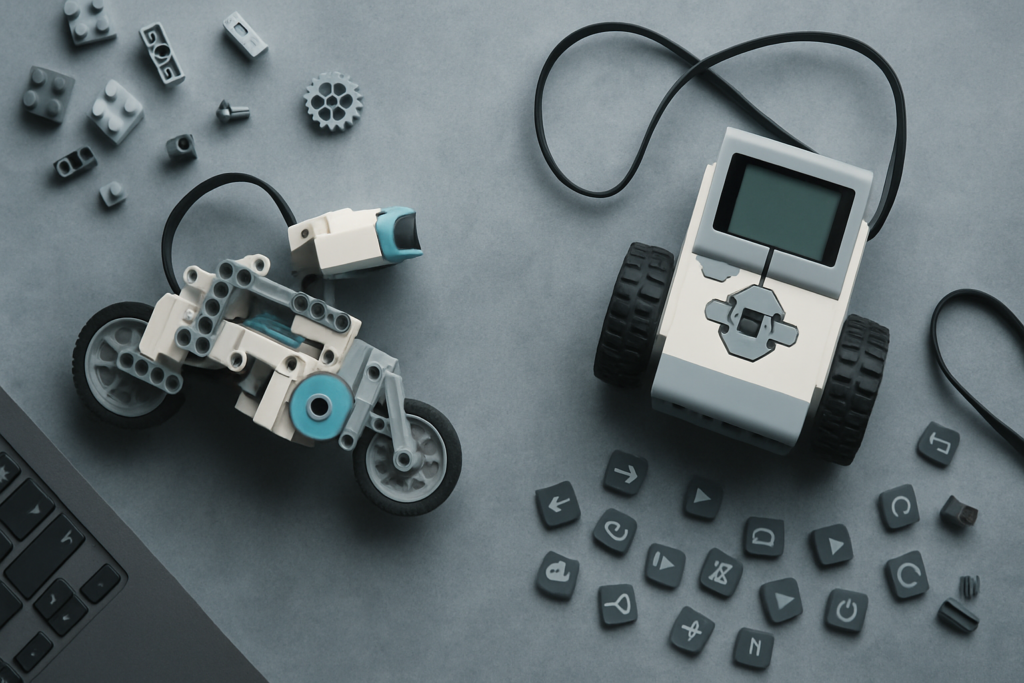
This isn’t your average LEGO set. SPIKE™ Prime takes classic brick building and fuses it with real coding and robotics. Designed for kids aged 10 and up, it’s a flexible system that lets them build, program, and test their own machines all through game based challenges. It’s ideal for classrooms and at home learning alike.
What makes it stand out? Kids learn not just how to follow instructions but how to troubleshoot, experiment, and solve open ended problems. It teaches the basics of coding and engineering without handing out answers. The platform includes drag and drop programming and supports Python for those ready to level up.
Parents and teachers can also run competitions and group projects using themed challenges, which keeps kids motivated and adds a social layer to STEM learning. It’s not just a toy it’s a toolkit for future makers.
How to Choose the Right STEM Toy

Not every STEM game building toy fits every learner. The key to choosing the right one comes down to aligning the toy’s features with your child’s age, interests, and learning style. Here’s how to make a smart choice:
Match the Toy to Age and Focus
Always check the recommended age range to ensure safety and appropriate complexity.
Consider your child’s attention span some kits offer quick wins, while others require more time and patience.
Prioritize Open Ended Play
Look for toys that let kids build, re build, and imagine new scenarios each time they play.
Open ended kits support experimentation, exploration, and creativity over fixed outcomes.
Look for Multi Skill Integration
The best toys combine coding, building, and storytelling all in one package.
Kits that engage multiple modalities tend to promote deeper learning and longer play sessions.
Consider Community and Digital Integration
Check if the toy connects to an app or online environment that allows kids to share their work.
Community challenges and competitions can keep motivation high while fostering a sense of belonging.
By keeping these points in mind, you can invest in a STEM toy that grows with your child fueling both their curiosity and creativity over time.
The Takeaway
Game Building Is Learning in Disguise
Game building may look like playtime on the surface, but it’s actually a foundation for essential learning. Through design, iteration, and testing, kids develop logical thinking, storytelling skills, and perseverance all critical components of a STEM mindset.
Builds problem solving through trial and error
Strengthens curiosity and creative exploration
Encourages independent thinking
Inspire Invention, Not Just Consumption
The best STEM toys don’t just entertain they ask kids to engage, create, and innovate. Rather than following instructions or playing passively, game building kits empower young minds to bring original ideas to life.
Choose toys that allow room for rules, levels, and characters crafted by the child
Avoid overly guided kits that leave little space for experimentation
A Spark for Lifelong Creativity
Every game designed by a child is more than a pastime it’s a confidence boost. With each challenge solved or story brought to life, kids build the belief that their ideas matter.
Game creation helps solidify interest in STEM fields long term
Early exposure to creative problem solving leads to better collaboration and innovation later in life
Let kids play and watch them invent their future.