What Makes STEM Toys Different
Not all toys are created equal. STEM gaming toys are built with specific goals: teach kids core concepts from science, technology, engineering, and math without making it feel like schoolwork. These aren’t the toys that get played with once and tossed aside.
What sets them apart is how they blend structured learning with genuine play. Kids get hands on with puzzles, circuits, building challenges, and even early computer logic sometimes without realizing they’re learning. The best STEM toys introduce coding basics, system thinking, and real problem solving through engaging mechanics.
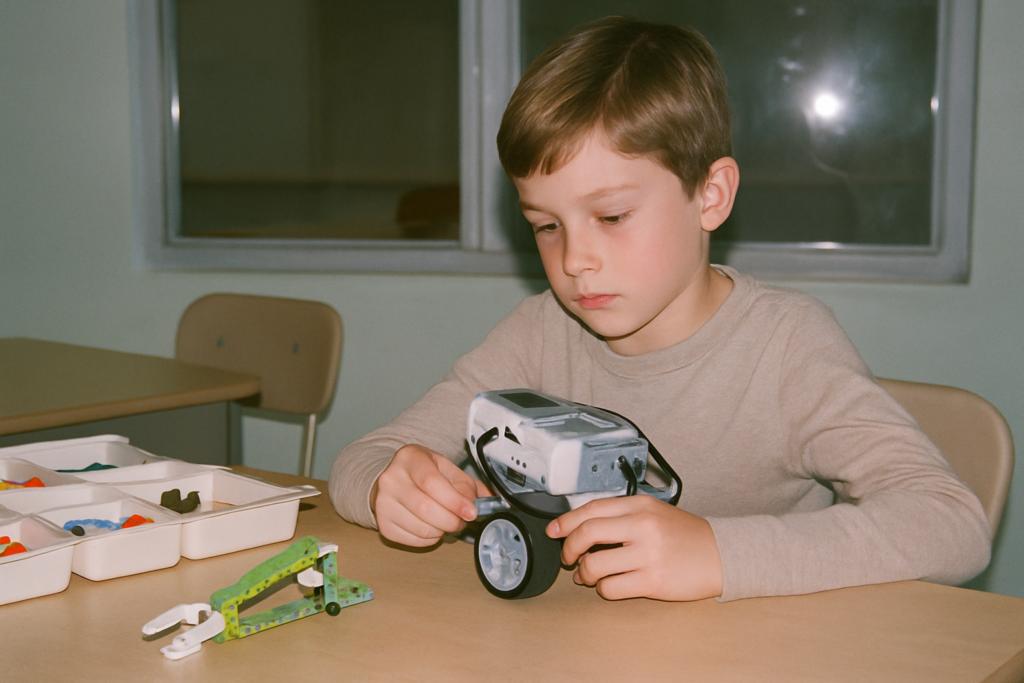
Instead of memorizing formulas or facts, kids learn by doing. Trial and error becomes part of the process. A coding robot that won’t move until a logic step is fixed teaches more about debugging than a worksheet ever could. And because the experience is anchored in play, those lessons actually stick.
Bottom line: these toys give kids early exposure to how the world works and how to shape it by thinking critically, logically, and creatively.
Coding The Fun Way
STEM gaming toys are helping kids learn how to code by transforming abstract programming concepts into playful, hands on experiences. These toys don’t just teach they let kids explore, experiment, and immediately see what their code does.
Visual Coding Made Approachable
Many STEM toys use beginner friendly visual coding platforms such as Blockly and Scratch, which allow kids to drag and drop code blocks rather than write syntax heavy code. This lowers the barrier to entry and makes programming more accessible at an early age.
Blocks teach code structure without overwhelming syntax
Visual cues help kids understand sequence and functionality
Concepts like loops, variables, and conditionals are introduced naturally
Learning Through Feedback Loops
Kids learn best when they can immediately see the results of their actions. With coding toys, this feedback comes from experimentation:
They write code using blocks
Test it in the game environment
Fix errors based on what the toy or game does next
These trial and error cycles teach perseverance and reinforce learning through direct interaction.
Cause and Effect in Real Time
One of the most powerful elements of these toys is how they show cause and effect instantly. When kids execute their code and watch how it influences the game or toy’s behavior, they begin to understand logic chains like:
“If I do X, then Y happens”
“When I loop this command, it repeats until the goal is reached”
This real time understanding of programming logic builds strong foundations in both computational thinking and general problem solving.
Through gameplay, coding becomes more than a subject it’s a tool kids use to solve puzzles, design interactive stories, and control their favorite characters or robots.
Game Design as a Learning Framework
Kids aren’t just sitting back and playing anymore they’re building the games themselves. Today’s STEM toys flip the script: instead of following preset levels, kids learn how to create them. It’s hands on logic training, disguised as fun. By using tools that introduce simple mechanics like “if then” conditions and loops, kids absorb programming basics without even realizing they’re doing something complex.
Game building gives them a chance to think like developers. They tweak outcomes, fix logic errors, and troubleshoot how each component behaves when tested. This cultivates critical thinking and flow control in a way that’s hard to replicate in traditional classrooms. More importantly, it builds creative confidence: kids see their actions create immediate outcomes, which is a powerful motivator to keep learning.
The best part? They move from passive consumers to active creators building something from scratch instead of just clicking through something built for them.
Explore game design toys
Logical Thinking in Action

STEM gaming toys don’t just teach kids how to code they instill the cognitive habits needed for long term problem solving. Through carefully designed gameplay and challenges, these tools help children develop algorithmic thinking in an engaging, age appropriate way.
Building Algorithmic Thinking Through Gameplay
Algorithmic thinking involves breaking down problems into step by step instructions. Many STEM toys incorporate this through puzzle based challenges and modular coding systems.
Kids solve puzzles that require sequence planning and pattern recognition
Common mechanics include ordering events, matching sequences, and predicting outcomes
Kids learn to think ahead and anticipate consequences based on logic
Step by Step Learning Reinforces Problem Solving
Hands on coding toys often build in tiered levels of difficulty, which mirror structured learning progressions.
Early levels introduce simple commands and actions
As kids progress, challenges require more complex sequences and conditional logic
Reinforces methodical problem solving skills children can apply beyond tech
Debugging Builds Resilience and Adaptive Thinking
One of the most valuable lessons in coding is that errors are part of the process. STEM gaming toys make trial and error fun, which is crucial for resilience.
Toys provide instant feedback when something doesn’t work
Kids learn to identify bugs, adjust their code, and test new approaches
Encourages persistence, adaptability, and a growth mindset
STEM toys turn logical problem solving into a playful and empowering journey teaching not just what to think, but how to think critically and creatively.
Benefits Beyond the Screen
STEM gaming toys don’t just teach kids coding they shape how they interact, think, and grow beyond the digital space. Group based toys bring kids together, pushing them to solve problems as a team. Whether it’s debugging a shared robot or building a circuit maze, they’re learning how to communicate clearly, delegate tasks, and handle mistakes without frustration.
At the same time, solo exploration plays its part. When kids dive into independent challenges, they build confidence. There’s no fallback. They make the decisions, test solutions, and fix errors. It’s a muscle self reliance and these games train it in quiet, powerful ways.
Lastly, these toys make tech and math feel less like homework and more like play. That shift in mindset is huge. When kids enjoy interacting with logic based systems, they’re not just learning the material they’re forming a lasting, positive relationship with it.
Parents & Educators: Choosing The Right Toy
Picking out STEM toys isn’t just about bright colors and cool packaging. The best ones guide kids through a learning curve where play starts simple and scales into more complex thinking. That kind of steady progression keeps kids engaged and growing, not bored or overwhelmed.
Look closely at the coding logic behind the play. A toy meant for a 7 year old shouldn’t expect them to tackle the same tasks as a teenager. Whether it’s drag and drop visual coding or more advanced scripting, complexity has to match the child’s cognitive stage. If it doesn’t, the frustration builds and the learning stops.
Also, steer toward toys that welcome mistakes. Toys that reward experimenting and try again behavior encourage deeper problem solving. Avoid those that only give gold stars for perfect answers. The real world doesn’t operate like that and neither should learning through play.
For examples of toys that hit this balance, check out the full breakdown on game design toys that work.
Final Take
STEM gaming toys aren’t just about keeping kids busy they’re about building real skills. Wrapped up in colorful blocks, puzzles, and robot sidekicks is a system that teaches coding and logic without the boredom factor. Structured play gives kids room to tinker, test, and fail without pressure. Concepts like sequencing, cause and effect, and basic programming logic get baked in almost by accident.
The key is starting early. The earlier kids get their hands on problem solving toys, the more natural tech confidence becomes. They’re not just playing they’re learning to think in systems, make decisions, and spot patterns. Those skills stick.
In a world run by code, learning through play isn’t a luxury it’s strategy.