What Fine Motor Skills Really Are
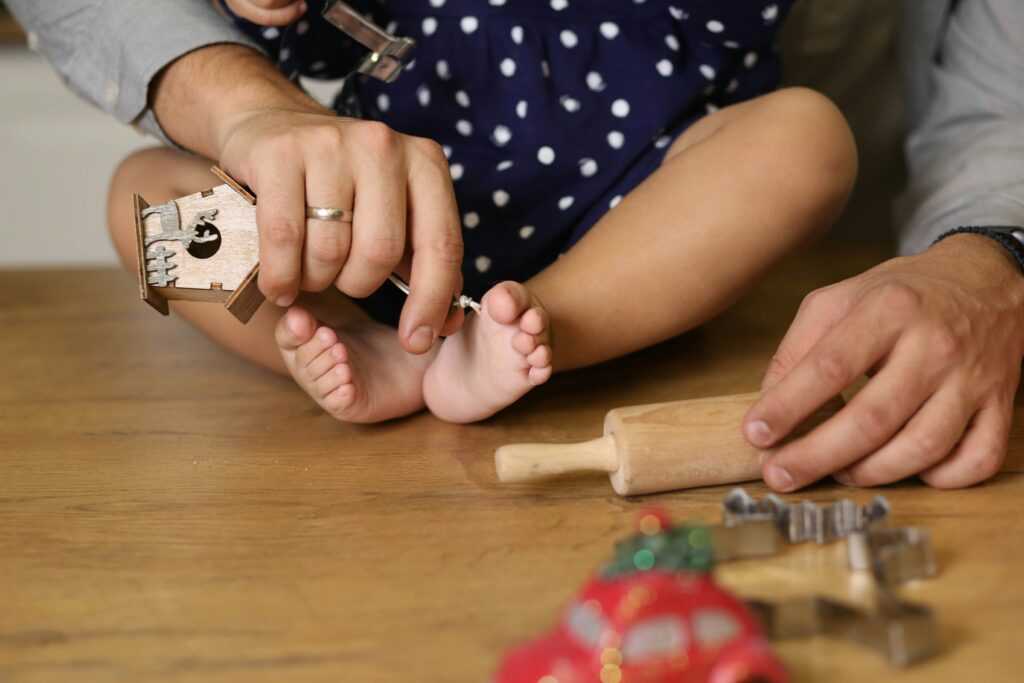
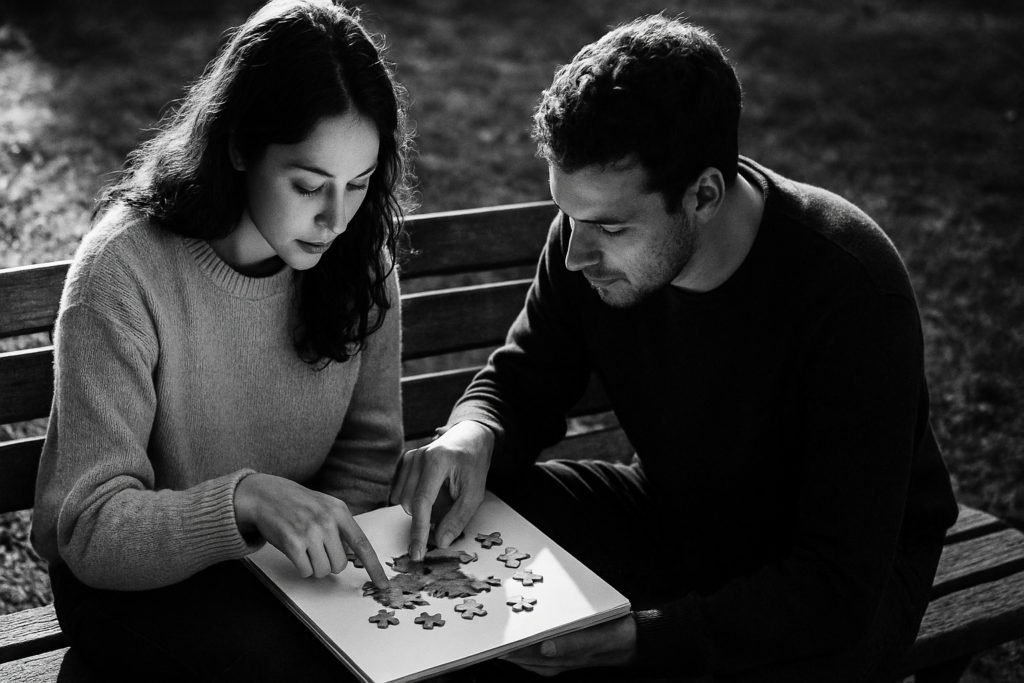
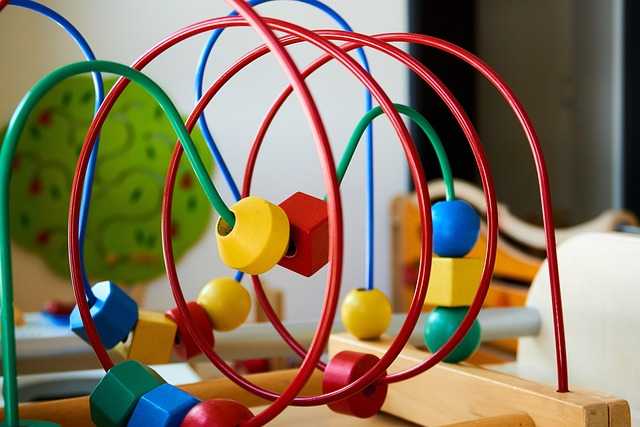
Fine motor skills are the small, controlled movements we make with the hands and fingers. It’s the difference between grabbing a basketball and threading a needle. In kids, these motions show up in a big way drawing, zipping a jacket, buttoning a shirt, using scissors, or picking up cereal with two fingers. The movements seem simple, but they require complex coordination between the brain and muscles.
In early childhood development, mastering these motions is a big milestone. Fine motor strength and control support independence in daily routines tying shoes, feeding themselves, even brushing teeth. These skills also lay the groundwork for classroom tasks like writing or cutting paper.
Everyday life is full of tiny motions that rely on fine motor ability. Holding a crayon. Turning a page. Scooping with a spoon. These aren’t just tasks they are small victories of control, timing, and spatial judgment. And when kids build these abilities early on, it makes everything else just a little easier down the road.
Brick Building Games: Not Just Fun and Games
Brick play may look like just snapping blocks together, but it’s actually a workout for small hands. When kids stack and sort pieces, they’re firing up the tiny muscles in their fingers, wrists, and hands. These are the same muscles they’ll rely on for writing, zipping jackets, or tying shoes.
It’s not just about strength it’s also about control. Aligning bricks takes focus. Snapping them into place demands precision and grip. Kids naturally develop bilateral coordination too, using both hands at once in sync one to hold, one to place.
Every build becomes a mini lesson in hand eye coordination and spatial awareness. What fits where? How does one move affect structure? These physical puzzles sharpen visual processing, sequence planning, and reaction speed all without a screen in sight.
Brick play sneaks in foundational motor development because it feels like play. And that’s why it works.
The Learning That Happens Beyond the Build
Brick building might look like simple play, but there’s a lot happening behind the scenes. First, it demands patience. Kids don’t get a finished castle or spaceship in a few seconds. They learn to wait, try parts, take them apart, and try again. That cycle of planning, testing, and adjusting builds calm focus and the ability to stick with something that doesn’t work right away.
Then there’s the problem solving. Every mismatched piece or collapsing tower is a chance to learn. Kids figure out what needs bracing, how to balance weight, or where support is weak. It’s not just about having fun it’s fine tuning the basics of logic and cause effect thinking without them even realizing it.
This kind of play also mirrors the fundamentals of math and engineering. Counting bricks, measuring space, spotting patterns, and balancing structures these are all early skills that translate cleanly to STEM learning down the road. When kids build, they’re not just making things they’re rehearsing ideas they’ll use for years.
Screen Free Skill Building
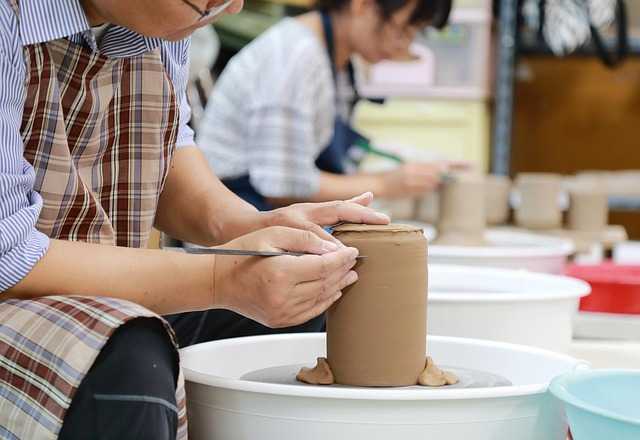
In a world where screens grab most of the attention, tactile play works like a quiet reset button. There’s something honest about snapping two bricks together. No animation, no reward loops just hands, pieces, and effort.
Brick games offer what tablets can’t: real resistance, physical alignment, and a sense of spatial reality. Kids using their fingers to build are developing muscles and coordination that swiping and tapping simply don’t activate. It’s slower, yes, but more grounding. And it sticks.
That said, it’s not about ditching digital entirely. Smart play happens when touch and tech blend. For example, a child might design a model using an app, then build it with bricks. Or use a tablet to get inspired by a challenge, but solve it hands on. The balance matters.
When fine motor development is the goal, digital games can support but rarely replace the full body learning that comes from holding, turning, and locking pieces into place. Bricks bring the texture. Screens bring the spark. Together, they can build more than towers they can build skills.
Doubles as Brain Training
While brick building games are fantastic for strengthening fine motor skills, their benefits go deeper right into the core of cognitive development.
Fine Motor Tasks Train the Brain
Physical tasks like gripping, stacking, and snapping bricks require concentration and deliberate movement. This consistent coordination strengthens the brain’s ability to focus, remember sequences, and follow through on multi step actions.
Repetitive hand movements support working memory through task repetition
Focus is naturally developed as children concentrate on detailed builds
Planning construction sequences reinforces both logic and short term memory
Building Neural Pathways Through Play
The physical act of manipulating objects helps build and reinforce neural pathways in the developing brain. These pathways support not just coordination, but thought processing and decision making skills as well.
Tactile, hands on play stimulates multiple brain regions at once
Complex builds activate both left and right brain functions organization on one side, creativity on the other
Bricks provide sensory input that supports sensory processing and attention control
Related Read
For a closer look at how games including brick play can help boost brainpower and cognitive growth, check out this article:
Boost Cognitive Skills
Tips to Maximize the Benefits
The right set makes all the difference. Start kids with age appropriate bricks bigger pieces for younger hands, smaller and more complex ones as coordination improves. Don’t expect freeform genius every time, though. Offer them light structure with guided challenges. Things like: “Can you build a tower taller than your stuffed animal?” or “What shape could carry marbles across the room?” These aren’t just tasks they’re invitations to think, plan, and try.
Resist hovering. Let them struggle a bit. That pause, that look of frustration it’s part of the learning. Once kids get going, rotate design challenges weekly or monthly. A castle this week, a working drawbridge next. Change keeps them curious and sharp and prevents them from building the same wall a hundred times.
Brick play doesn’t need a curriculum, but it does benefit from rhythm and a little challenge tune up. Keep it fun, keep it fresh, and watch the skills stack up.
Parents + Educators: What to Watch For
It’s not always obvious when a child is making gains in fine motor development, but brick games give plenty of telltale signs. Watch how they use their hands. Are they switching from awkward grabs to confident pinches? Can they snap bricks together with less effort and more accuracy? When you see smoother hand movements, longer attention spans, and a bit of pride in their builds, that’s progress.
Once kids start cruising through basic sets, you can step it up. Introduce smaller pieces, more complex patterns, or sets that require layered instructions. The challenge boosts not just dexterity but also planning and perseverance. Keep it just hard enough to frustrate a little, but not so much that they quit.
In therapy and special ed settings, brick games aren’t just play they’re tools. Occupational therapists use them to target coordination, bilateral hand use, and grip strength. For kids with sensory differences or developmental delays, bricks offer a clear structure with enough flexibility to adjust the pace and focus. It’s a tactile, hands on way to meet each child where they are and help them grow from there.
Wrapping It Up
Brick building isn’t just a way to pass time it’s hands on exercise for developing bodies and minds. When kids snap together pieces, they’re not only creating towers or spaceships. They’re training muscles, wiring their brains, and learning how to problem solve in real time.
Think of it as physical literacy for the hands. The same way reading builds language skills, consistent brick play builds fine motor strength, coordination, and focus. And these aren’t just short term wins. The effects show up in better handwriting, stronger attention, and more confidence with everyday tasks.
Play like this has reach far beyond the playroom. For more on how hands on games build big brains, check out Boost Cognitive Skills.
 is an experienced contributor at Play Briks Construction, where he specializes in exploring the educational potential of construction toys in early childhood development. His work emphasizes the importance of hands-on play in fostering creativity, problem-solving skills, and spatial awareness among children. Patrick is dedicated to providing parents and educators with practical insights and strategies for integrating construction play into learning environments. He also focuses on the latest trends and innovations in the toy industry, ensuring that his audience stays informed and engaged.