Why Storytelling Matters in Play
When kids create stories during play, it does more than pass the time it builds them up. Narrative play gives kids a safe way to express feelings, explore relationships, and test out real world situations. They’re not just inventing dragons and space missions. They’re working through big emotions, acting out courage, kindness, and sometimes conflict.
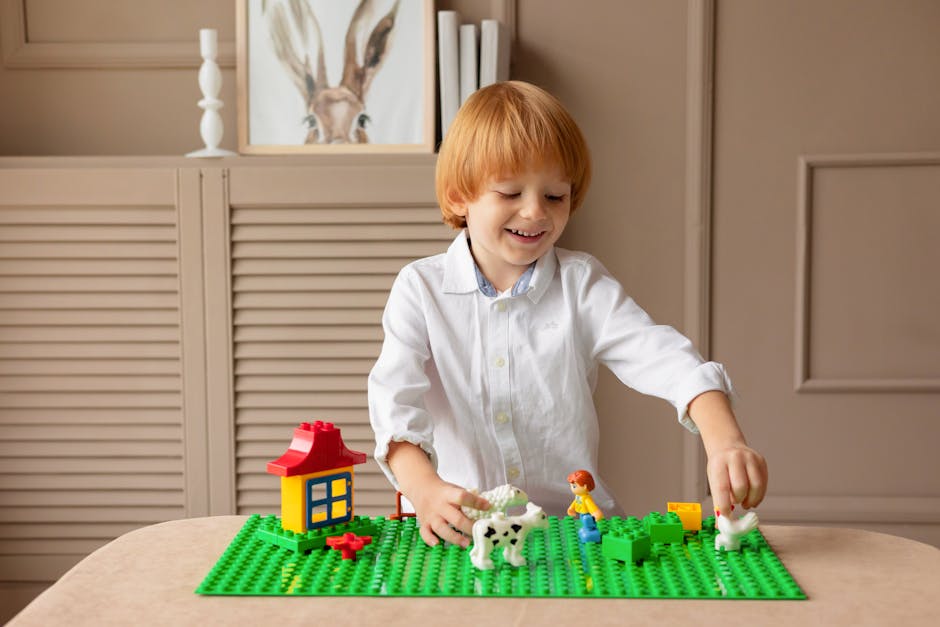
LEGO play, especially when mixed with storytelling, taps into this deeply. Kids build characters and plots brick by brick. It’s hands on, but also emotional and social. They create scenes, pick roles, and improvise conversations. Through it all, they’re learning problem solving, flexible thinking, and how to communicate ideas clearly.
The beauty of LEGO is that the connection to story comes naturally. A castle isn’t just a pile of bricks it’s where the knight saves the inventor. A spaceship launch doubles as an adventure into the unknown. Every build invites a “what happens next?” And the answer is always up to the child. That sense of ownership fuels growth in both confidence and creativity.
LEGO Games as a Storytelling Platform
LEGO games aren’t passive entertainment. They put kids at the center of the action making decisions, swapping roles, and solving problems through stories they help shape. Whether it’s choosing dialogue options, taking on missions with unexpected twists, or rebuilding a level to change its outcome, the games encourage active participation. This kind of interactive role play doesn’t just deepen engagement it builds decision making skills in real time.
Customization is a big draw. Players create original characters, build wild new worlds, and craft mission paths that go beyond the scripted. That sandbox style freedom lets kids express themselves, experiment with ideas, and test out their own mini narratives. Heroes, villains, and sidekicks don’t just exist they evolve.
What makes it stick is the subtle way LEGO blends play and learning. Games are structured just enough to introduce story arcs, progression, and cause effect thinking, while staying loose enough for imagination. Kids aren’t just playing they’re writing. And those core storytelling mechanics are what make LEGO titles stand out in the crowded game space.
Want a closer look at how the magic happens? Explore core LEGO storytelling features.
Building Characters and Worlds

One of the most powerful aspects of LEGO games is how they put the story directly in the hands of young players. Rather than just following a predetermined plot, kids can invent, build, and reshape entire narratives on the fly.
Kids as Story Architects
LEGO games offer a sandbox for creativity, where children are encouraged to:
Design their own heroes and villains, including personalities, powers, and goals
Create sidekicks, rivals, or even entire teams of characters
Decide what drives their characters rescue missions, treasure hunts, or epic battles
This role as storyteller gives kids a sense of purpose and agency as they build.
Story Arcs: Directed vs. Freeform
There’s a big difference between structured storylines in LEGO video games and the open ended freedom of free play building:
Video games provide narrative arcs with clear progression level by level, mission by mission
Free play building encourages spontaneous storytelling where the rules and goals are shaped in real time
Both styles are valuable, offering different ways for kids to explore creative thinking. One teaches story flow and conflict resolution; the other fosters flexibility and endless experimentation.
Setting the Stage for Story
Every LEGO game introduces places castles, space stations, cities that serve as backdrops. These settings are more than scenery:
They create context and rules (e.g., a spaceship needs a mission, a castle needs defenders)
They inspire new plots through environment specific challenges
They help kids practice narrative structure beginning, middle, climax, resolution
Empathy, Cause and Effect, and Early Lessons
When children build characters and guide them through challenges, they’re learning foundational storytelling principles:
Understanding characters’ motives cultivates empathy
Making decisions and seeing outcomes teaches cause and effect
Collaborating with others builds communication and compromise skills
These story based lessons go beyond play they build important life skills in a format that’s both familiar and fun.
From Screen to Brick: Extending LEGO Stories Beyond the Game
LEGO games don’t just end when the screen turns off. For a lot of kids, that’s where the real fun begins. A mission completed in a LEGO game becomes the blueprint for a spaceship built on the kitchen table. A battle between characters in game might evolve into a living room saga featuring stormtroopers, dragons, and kitchen spoons. Digital stories often spill into the physical world when kids are given space and bricks to keep the narrative going.
This crossover fuels creativity in a way few toys can. Kids start building what they just played. They reinterpret plots, mix in their own characters, and expand on stories with zero limits. What starts as screen time turns into world building. And it’s not just solo play. Parents are jumping in too, from co creating builds to voicing characters in ongoing sagas. For families who want more than passive play, LEGO games offer a shared track into hands on storytelling.
Games set the spark. Bricks bring it to life. The jump from digital to real creates an endless loop of invention and it’s one of the most powerful ways to turn screen time into skill time.
Tips to Maximize Storytelling Play
Getting kids to tell the story behind their LEGO creations adds a whole new layer to play. Ask them to narrate what’s happening in this scene? Who are the characters? Why are they here? This not only builds communication skills but gives purpose to every piece they snap into place.
Take turns leading the action. Swap roles. Let them be the villain while you play the clumsy hero. Co create missions that don’t follow a script. When kids see adults jumping into their world, it sends a message: their ideas matter.
Backstories are key. A simple ship becomes a pirate vessel with a history. A tower becomes a secret base for interdimensional spies. Use character backgrounds as creative scaffolding. It helps kids build with intention, not just blocks.
Keep things open ended, but with a spark. Offer questions like, “What happens if your hero meets someone unexpected?” or “What mission do they set out on today?” Prompts can springboard bigger stories and deeper designs.
And when they’re ready to explore more, check out the LEGO storytelling features that let them build, refine, and share imaginative worlds through interactive play.
The Takeaway: Imagination Is the Limit
More Than Just Play
LEGO games offer far more than screen time distractions. They serve as dynamic platforms for kids to explore their ideas, express emotions, and build stories from scratch. As children guide characters, navigate missions, and build digital worlds, they’re also practicing core skills that will serve them far beyond the game.
Stimulates creativity and out of the box thinking
Boosts narrative comprehension and vocabulary use
Encourages decision making and empathy through role play
Storytelling as a Learning Tool
Structured storytelling within LEGO games helps transform fun into functional learning. Whether a child is solving in game puzzles or narrating their latest brick built adventure, they’re engaging in activities that nurture cognitive and emotional development.
Problem solving through interactive storytelling
Learning cause and effect by building or breaking in game worlds
Developing communication through character dialogue and plot ideas
Raising Tomorrow’s Creators
When you support storytelling during LEGO play, you’re not just keeping kids entertained you’re helping them discover their voice. The confidence to tell their own stories starts with open ended play and imaginative worlds.
Play now, create later: storytelling builds confidence
Great storytellers often start as great players
When kids feel heard, they become more expressive and innovative
LEGO storytelling isn’t confined to one format it’s a journey that grows with the child. And with the right support, that story might just spark a lifetime of creativity.