Why Early STEM Learning Matters
From age two to seven, a child’s brain is in overdrive. This stretch isn’t just about learning to speak, walk, or count it’s when kids build the cognitive foundation for how they’ll tackle problems, make decisions, and process new information down the road. Neuroscience calls it a window of rapid development. For parents and educators, it’s a golden opportunity.
STEM education science, technology, engineering, and math plugs directly into that window. It’s not about giving toddlers calculus. It’s about sparking curiosity and helping them think in steps: how to connect ideas, test them, and try again when something doesn’t work. That’s problem solving. And it doesn’t need a digital screen to unfold.
Hands on play, especially with tools like brick building games, gives kids something most apps can’t: real world cause and effect. They learn that stacking blocks too high makes them fall, or that some pieces won’t fit unless turned a certain way. These moments wire the brain for reasoning. Compared to passive screen time, the gains are bigger and longer lasting. Real bricks beat touchscreen taps when the goal is building brains not just keeping them busy.
How Brick Games Lay Foundations for Critical Thinking
There’s no better teacher than trial and error, and brick games set the stage for just that. A toddler stacks a tower, knocks it over, learns what holds and what wobbles. This hands on experimentation is a quiet lesson in cause and effect. Each time they build, break, and rebuild, they’re learning to problem solve without needing a screen or a script.
As kids start moving pieces around in space flipping, turning, testing fit they’re engaging with spatial reasoning. They anticipate how pieces will connect, what goes under, what goes beside. At the same time, object permanence develops: when a piece disappears behind another, they know it’s not gone, it’s just hidden. It seems basic, but these are mental muscles they’ll use in math, reading, and everyday life.
Add in structured builds, and you’ve got sequencing at work. Instructions which come in picture steps for pre readers help them arrange actions in the right order. Miss a step, the structure fails. Hit the steps right, success. These little logic puzzles lay groundwork for bigger challenges later. Brick by brick, they’re learning how to think.
Boosting Focus and Attention Span Through Creative Play
Not all play is created equal. Open ended activities where there’s no single right result give young kids space to dive deep into something on their own terms. Brick based games, especially ones without rigid instructions, are one of the best tools for this. They let young builders follow their curiosity, test new ideas, start over, and focus for surprising stretches of time. It’s not about distraction; it’s about immersion.
This is where the concept of “flow state” comes in. Originally coined for adult productivity, flow isn’t exclusive to grown ups. Sit a toddler down with the right set of bricks loose enough to invite creativity, structured enough to offer a challenge and you’ll see them tune in, zone out the noise, and stay at it. For ten minutes or thirty, they’re locked in.
That quiet, concentrated play does more than pass the time. It builds patience. It improves memory. It teaches kids the rewards of seeing something through, even when it’s tough. In a culture that jumps from app to app and screen to screen, this kind of slow, hands on focus is its own kind of superpower.
Social Learning and Language Growth Through Cooperative Play

Building with others isn’t just fun it’s foundational for developing communication, cooperation, and cognitive flexibility in early childhood. STEM based brick games provide countless opportunities for children to engage with peers, solve problems together, and grow through interactive experiences.
Developing Collaboration Skills
When children work together on brick based projects, they naturally begin to share ideas, divide tasks, and coordinate their actions key components of early teamwork.
Shared builds encourage turn taking, listening, and compromise
Group play teaches persistence in completing shared goals
Leadership roles and helper dynamics begin to emerge naturally
Vocabulary Expansion Through Play
As children describe what they’re building, request specific pieces, or explain their ideas, their language skills grow in both complexity and precision.
Learning descriptive words: colors, shapes, sizes, and spatial terms (e.g., above, next to, inside)
Practicing action verbs: stack, twist, connect, balance, build
Developing storytelling abilities through imaginative play with their creations
Early Negotiation and Problem Solving
Group play often leads to disagreements but also creative resolutions. Negotiating which piece to use or deciding whose idea to build first helps children exercise key social emotional muscles.
Encourages discussion and respectful disagreement
Teaches persuasive language and listening skills
Builds confidence through contribution and compromise
By promoting shared goals and meaningful interaction, brick games support essential language and social skill development in a natural, joy filled way.
Engineering Curiosity with Every Snap Together Piece
Kids notice it fast: stack too many bricks on a single stud and down it goes. That’s physics in action, and brick based play brings those principles to life without needing a textbook. Concepts like stability, weight distribution, and center of gravity become intuitive when a wobbling tower finally tips over or manages to hold together against all odds.
Through trial and (a lot of) error, children learn not just how things fit, but why they fall. They’ll try again. Adjust. Add a wider base. Maybe build a counterweight. These small engineering moves teach balance and structural integrity in the simplest, most tactile terms.
But it’s the questions that matter most. “What if I move this piece here?” “What if I build it taller will it stand?” These aren’t just playtime musings. They’re the seeds of experimentation. Brick games invite failure and reward iteration. And that habit curious, hands on problem solving forms a mental blueprint kids can carry into every corner of learning.
Parental Involvement = Deeper Impact
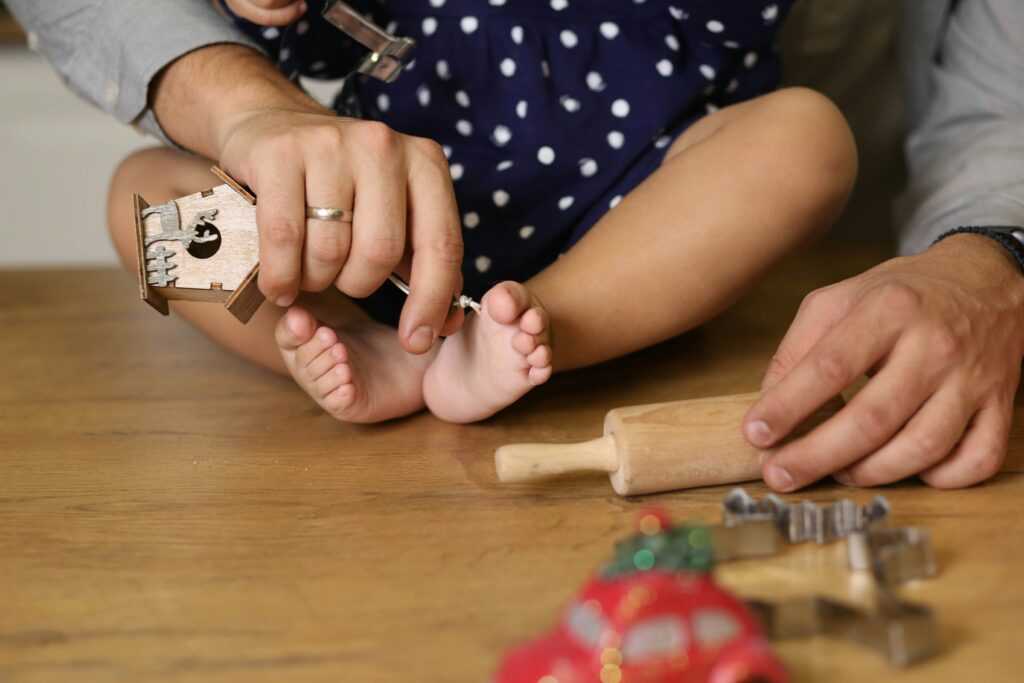
Building bricks isn’t just child’s play it’s also a chance to strengthen connections between parent and child. Guided play sessions create a shared focus, where small wins and discoveries spark real emotional bonds. Sitting down, slowing down, and working through builds together builds more than towers. It builds trust.
The key? Ask, don’t tell. Instead of giving instructions, try discovery based questions: “What happens if we stack it this way?” or “How could we make it stronger?” These prompts invite problem solving and ownership while giving kids space to lead. It turns the adult into a partner, not a director.
Encouragement matters too but steer clear of micromanagement. Celebrate effort, not just outcomes. Letting them make mistakes (and rebuild on their own) supports independence and confidence. This kind of subtle guidance isn’t flashy, but it sticks.
For more ideas, check out our educational gaming tips.
Final Thought Starters for Parents and Educators
Choosing the right brick game isn’t just about bright colors or how many pieces are in the box. It’s about fit matching your child’s age, attention span, and where they are developmentally. Younger kids benefit from larger, easier to handle pieces with open ended possibilities. As they grow, you can scale the complexity: more intricate structures, problem solving challenges, and multi step builds that stretch their logic.
To keep things fresh without constantly buying new sets, rotate. Put one or two away for a few weeks. When kids see them again, it’s like they’re brand new. You don’t need an overflowing toy shelf just a smart cycle.
Last, make the time. Life gets loud. Screens are always calling. Focused play takes intention. Even ten unplugged minutes a day playing side by side can do more for your child’s brain than an hour of passive content ever will.
More ideas and tips are available in our educational gaming guide.
 is an experienced contributor at Play Briks Construction, where he specializes in exploring the educational potential of construction toys in early childhood development. His work emphasizes the importance of hands-on play in fostering creativity, problem-solving skills, and spatial awareness among children. Patrick is dedicated to providing parents and educators with practical insights and strategies for integrating construction play into learning environments. He also focuses on the latest trends and innovations in the toy industry, ensuring that his audience stays informed and engaged.