Start With the Right Foundation
Every solid build starts the same way: with a reliable baseplate. It’s not glamorous, but it matters more than people think. A warped or weak base doesn’t just wobble it throws off alignment, makes layering difficult, and can collapse under uneven tension. Choose something flat, firm, and large enough to handle the scale of your plan.
Surface texture matters too. Smooth bases let you slide adjustments into place during test fits. More grippy options are better for tall builds where vertical strain becomes a factor. And don’t overlook flexibility some plastic bends slightly under pressure, which can compromise long term durability. The rule: test your base like you’d stress test a bridge, because that’s basically what you’re building.
Planning ahead saves hours later. Know what you want to build, map out where your major features will land, and test fit key elements to see how they interact. Sketch it if you have to. Winging it might sound fun, but if you’ve ever had to rip apart half a city block because your foundation wasn’t centered, you know better. Prep now, rebuild less later.
Must Have Brick Building Tools
Let’s get one thing out of the way: your fingers can only do so much. If you’re serious about precision, speed, and not losing your patience mid build, the right tools make all the difference.
Brick separators come in a few types. The classic orange one is solid for prying bricks apart without damaging studs but if you’re working with tiles, flat lifters with thin edges offer cleaner separates. Multi tool versions combine axle pullers, separator teeth, and technic pin removers great for when you’re fixing mistakes deep in a structure.
Then there’s the tiny stuff. Tweezers, micro pliers, and fine tip tools help when your build gets intricate think gears, small angled joints, or tiny tile mosaics. Using your fingers here isn’t just clumsy it’s risky. One slip and a delicate sub build collapses.
Finally, storage. It’s a deal breaker for pace and creativity. Transparent drawer systems, stackable trays, and tackle style bins keep pieces visible and sorted. Label your sections. Group by function first, then color. You’ll build faster and actually enjoy the process instead of rummaging through chaos every five minutes.
Organized builders build better. Tools won’t make you a master, but they’ll definitely keep your builds smoother and your desk saner.
Smart Techniques to Upgrade Your Builds
Let’s start with SNOT Studs Not On Top. It’s not a gimmick; it’s a game changer. SNOT techniques let you build sideways, upside down, or any angle in between, giving your creations a smoother, more realistic finish. Think walls without the classic stud texture or vehicles with curves instead of blocky edges. Once you get the hang of it, you’ll wonder why you didn’t start sooner.
Next up: color. Two schools of thought here color blocking and organic blending. Color blocking uses bold, separated tones to create striking visual contrast. Organic blending goes the opposite way: colors shift subtlety like gradients in nature. Neither is better, but using the right approach adds depth and intentionality to your build.
When you’re stacking bricks high or reaching across long spans, layering and weight distribution matter. Don’t just rely on vertical bricks mix in plates, Technic support structures, and stagger your seams. Build like someone might pick it up or, worse, drop it. Reinforced isn’t sexy, but it saves heartbreak.
Lastly, don’t skip the basics. Many advanced builders circle back to the foundational stuff constantly clean seams, alignment tricks, and block integrity. If your builds look sloppy, it’s probably something simple you haven’t mastered yet. Brush up with this guide: Mastering the Basics.
Getting Creative With Modularity
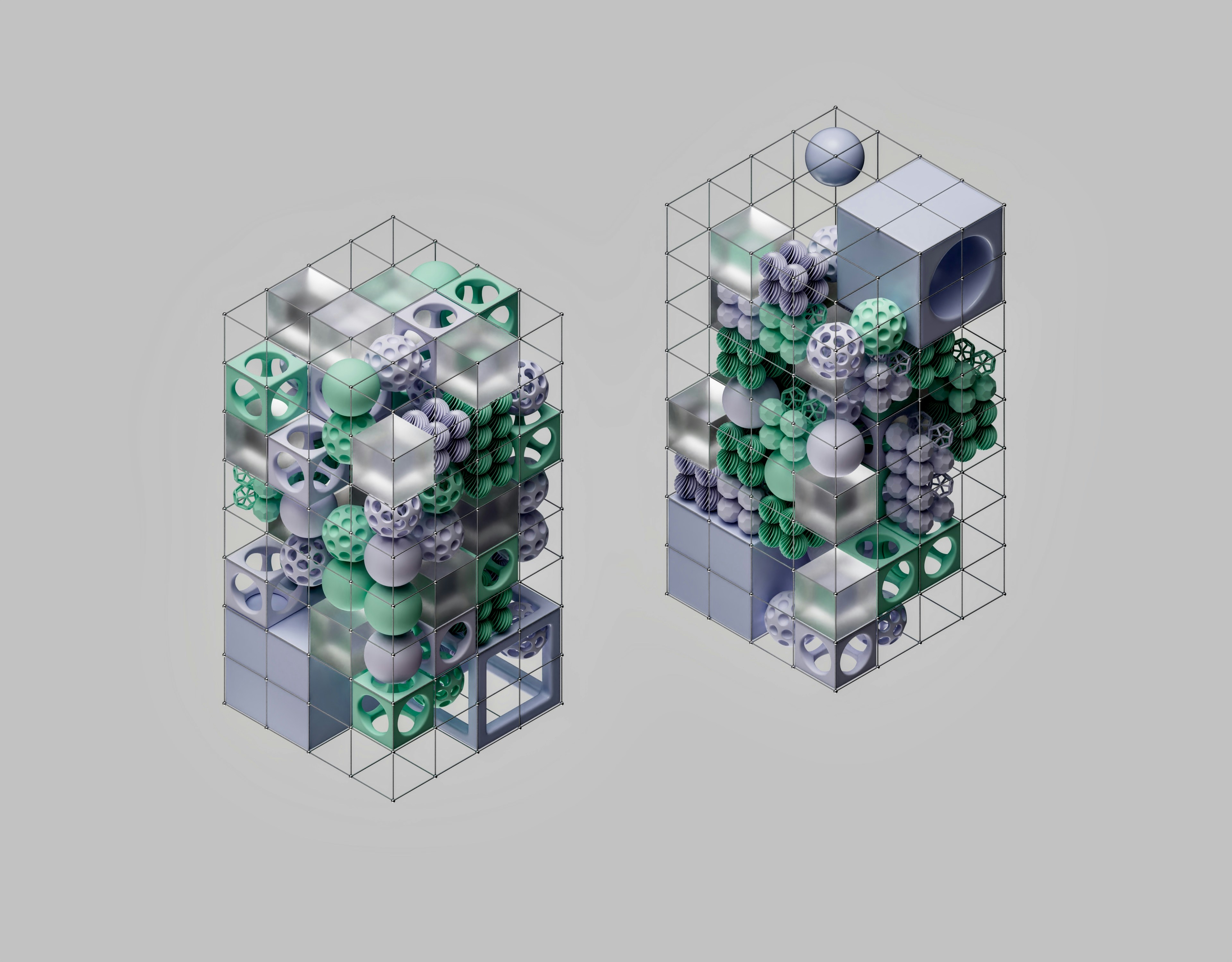
One of the most effective ways to level up your brick building skills is through modular construction. Rather than creating one massive, continuous build, modular techniques allow you to work in manageable, swappable sections that can be reassembled, upgraded, and transported with ease.
Why Build in Sections?
Breaking your creation into modules offers several benefits:
Easier Problem Solving: Focus on one component at a time without getting overwhelmed by the entire build.
Work Flexibility: You can build, tweak, or rebuild parts independently.
Collaborative Builds: Great for team projects each person can tackle a different module.
Advantages for Transport and Display
Modular design isn’t just a build time convenience it also pays off when it comes to moving and showcasing your work.
Simplified Transport: Modules are easier to pack without risking damage to the entire structure.
Quick Assembly & Disassembly: Perfect for conventions, competitions, or rotating displays.
Future Upgrades: Want to add a new wing to that castle or a detachable roof? Modular construction makes it possible without a full rebuild.
Decorative vs. Functional Swaps
Not every section needs to be permanent. Modular design lets you experiment:
Interchangeable Façades: Swap out styles or themes without altering the core structure.
Function Layers: Quickly add motion, lighting, or sound modules below or behind decorative elements.
Seasonal Mods: Create versions of the same structure for different occasions fall, winter, sci fi, etc.
Modularity gives you the freedom to stay playful while still being practical. Whether you’re showing off a large diorama or just want an easier way to store your builds, this technique is a game changer for builders at every level.
Design Inspiration and Practice Routines
One of the fastest ways to improve your builds? Reverse engineer the pros. Grab a popular set, take it apart carefully, and study how it’s put together. Look for the structural tricks, the hidden joins, and the clever uses of limited parts. It’s not about copying it’s about understanding the choices behind the design.
Next, get your hands moving. Daily mini build challenges are underrated. Set a timer, pick a theme or constraint (like using only 20 pieces or building with one color), and create something. Doesn’t have to be pretty. The goal is to force new thinking and solve problems fast. Regular reps like this sharpen instincts more than waiting for the perfect big idea.
Not every design needs to start with a bin full of physical bricks. Digital tools like BrickLink Studio or LEGO Digital Designer can supercharge your concepts. Build clean, experiment risk free, and test ideas before touching your real inventory. For train builds, complex architecture, or functional mechanics, digital practice equals fewer headaches later.
Creativity’s a muscle. Use it daily, stretch it different ways, and watch your builds level up.
Final Pro Moves Worth Learning
If you want your build to stop people in their tracks, it’s less about having rare parts and more about knowing how to use the surprising ones. Builders at the top of their game rely on unusual textures think upside down foliage, gears as cobblestone, minifig accessories repurposed into sculptural detail. Texture gives dimension, and the more unpredictable, the more it demands a second look.
Durability is the unsung hero of impressive builds. Reinforcing isn’t flashy, but pros swear by it. Behind that clean wall or stack of bones is usually a hidden lattice of Technic pins, cross bracing, and core blocks designed to keep everything locked in place even for convention travel. It’s about internal skeletons that no one sees but everyone benefits from.
Finally, there’s the polish. Finishing touches the slope that ties the edge together, the single tile swapped for a transparent variant, the color gradient in the background are what separate amateur from art. These choices don’t scream for attention, but they hold the whole thing together like punctuation in a sentence. Subtle but essential.
These final details aren’t extra they’re the standard if you want your work to sit in the same category as the best in the game.
Don’t Skip the Basics
Even the top brick builders still come back to the fundamentals. Why? Because classic techniques aren’t just beginner material they’re the backbone of everything else. Good structure, clean lines, balance and weight all of it starts with understanding the basics cold.
Drills might not sound exciting, but they work. Spend time rebuilding the same small model using only plates, or try stacking without clutch power to test balance. Focused practice trains your eye, your hands, and your instincts. It’s less about flash, more about reps.
Want to tighten up skills fast? Go back and work through the basic techniques. There’s a reason they show up in every expert build you just notice them less because they’re clean, seamless, and carefully placed. Master them, and everything else clicks easier.
 is an experienced contributor at Play Briks Construction, where he specializes in exploring the educational potential of construction toys in early childhood development. His work emphasizes the importance of hands-on play in fostering creativity, problem-solving skills, and spatial awareness among children. Patrick is dedicated to providing parents and educators with practical insights and strategies for integrating construction play into learning environments. He also focuses on the latest trends and innovations in the toy industry, ensuring that his audience stays informed and engaged.