The New Digital Skillset Starts at Playtime
Digital literacy isn’t something kids grow into anymore it starts almost as soon as they can hold a tablet. New generations are swiping before they’re speaking in full sentences, and that early comfort with tech has changed how we think about learning. Instead of waiting until middle school or beyond, today’s educators and parents are building digital foundations as early as preschool.
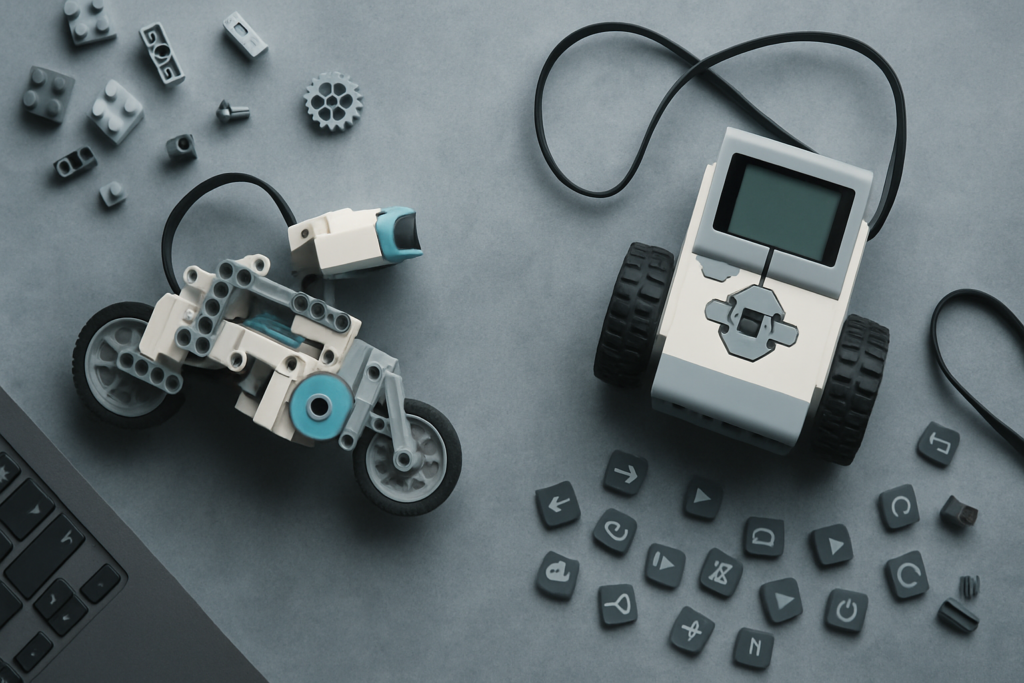
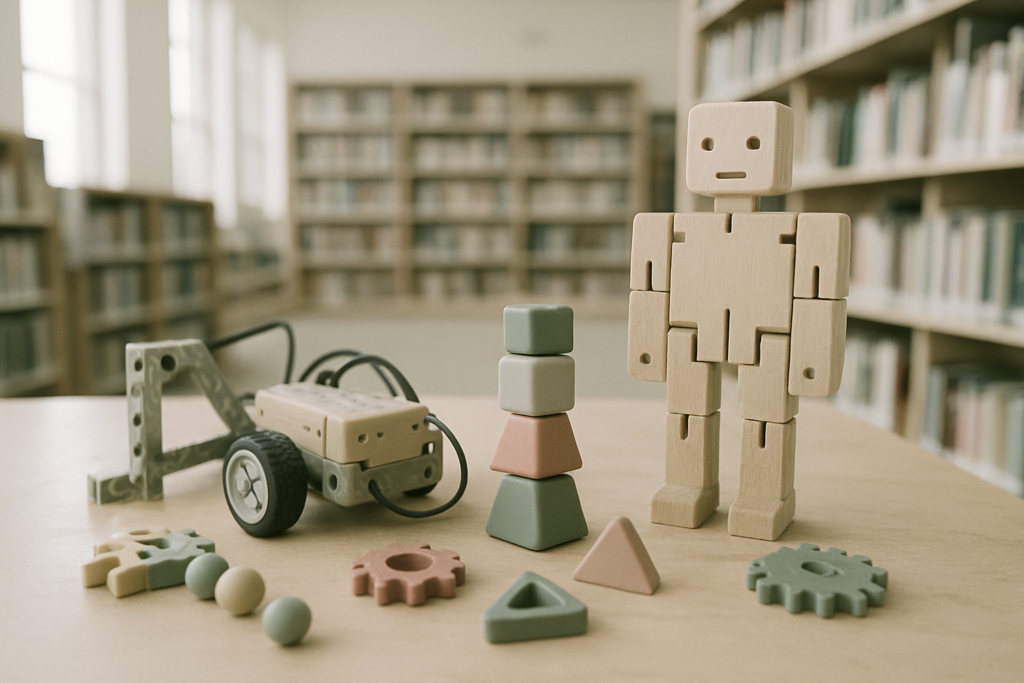
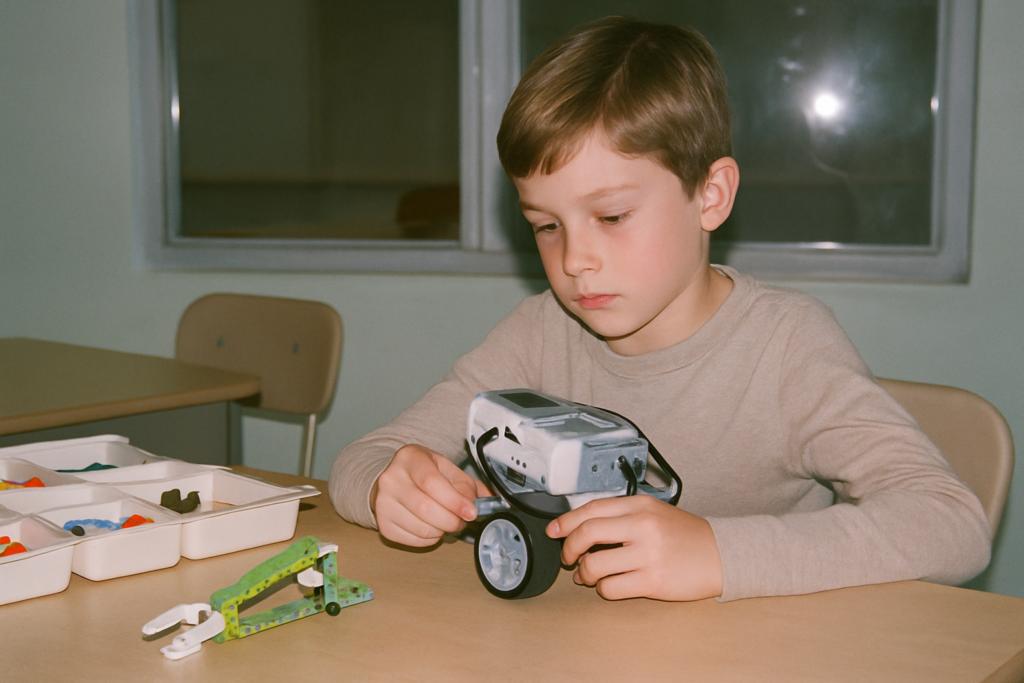
At the center of this shift is play based learning. STEM toys like coding robots, DIY circuit kits, and logic puzzles don’t feel like schoolwork, but they’re laying the groundwork for skills we’ll need tomorrow. These toys teach cause and effect, sequencing, failure and adjust patterns, and even beginner programming logic. In short, they’re translating screen time into skill time.
The broader education system is starting to catch up. Concepts like cursive handwriting and rote memorization are taking a backseat to tools that build computational thinking. It’s not uncommon now to see a first grader exploring basic robotics or using an app to create a mini game. Coding over cursive. Robotics over recitation. It’s less about memorizing facts and more about knowing how to work with systems and how to keep learning as those systems evolve.
The message is clear enough: play is no longer a break from learning, it’s how the next generation of digital thinkers will get started.
Core STEM Competencies Learned Through Toys
STEM toys don’t just entertain they teach kids how to think. Puzzles and interactive builds push children to follow patterns, sequence steps, and recognize cause and effect, all building blocks of logical thinking. It’s the kind of focus you associate with solving problems under pressure except here, it’s playtime.
Trial and error is another quiet powerhouse. Toys that require kids to guess, test, and reset teach persistence and analytical thinking without needing a lecture. They’re learning to solve problems without even realizing it.
Then there’s coding. Programmable kits, robot blocks, and beginner programming apps show up as games but lay the groundwork for actual coding logic loops, commands, sequences. Kids start to understand how inputs shape outputs, a core digital skill.
Multi step challenges add a layer of systems thinking. Whether they’re assembling a chain reaction marble run or programming a robot to do a task in steps, kids learn how individual actions come together to form a working whole. It’s less about memorizing, more about wiring the brain to see structure and strategy.
These play patterns turn into skill patterns ones that match up with real world tech challenges kids will face later.
Laying Down the Framework for Tomorrow’s Tech Jobs
The job market is moving fast, and it’s clear what’s rising to the top: digital fluency, creative problem solving, and the ability to adapt. Hiring across industries now leans heavily on people who can think in systems, work with data, and build human centric tech. Careers in data science, AI, engineering, and game design aren’t just growing they’re defining what the future workforce will look like.
That’s where STEM focused play comes in. Getting kids comfortable with tech concepts early isn’t a cool bonus anymore it’s baseline preparation. Toys that teach coding logic, robotics flow, or basic computational thinking are helping kids develop the raw skills that later get refined into in demand careers. Even better, when kids get hands on with this kind of play, they build confidence early, sparking curiosity that carries into adolescence and beyond.
Just as important: early exposure helps level the field. When every child regardless of background or gender gets meaningful, engaging access to STEM tools, the future workforce looks more inclusive and balanced. The pipeline to innovation opens wider when doors open earlier.
From STEM Toys to Lifelong Interests and Careers

Some of the strongest career sparks start early often on the floor, surrounded by a jumble of blocks, wires, or a simple coding toy making LEDs blink. When kids get to experiment with STEM tools in a playful, low stakes environment, it doesn’t just teach mechanics. It gives them permission to be curious. Over time, that curiosity builds into confidence a belief that they can tinker, test, and keep trying until something clicks.
You’ll find story after story of adults in engineering, game development, and robotics who got their start this way. Maybe it was a build your own robot that kept glitching, or a puzzle platformer game that quietly introduced if/then logic. These moments stick. They set the stage for deeper exploration and bigger ambitions later in life.
Real world examples underscore this. A major AI researcher recalls building mazes for a programmable turtle toy when she was seven. A software designer points to tinkering with toy circuits in middle school. It’s not about memorizing facts it’s about wiring the brain for problem solving, failure recovery, and pattern recognition, all before a child ever touches a résumé.
For a deeper dive into how early digital play can blossom into full fledged interests, explore this piece on lifelong gaming interests.
Choosing the Right STEM Toys
Not every STEM toy is built the same. The ones that actually make a difference are designed with age appropriate complexity clear enough for kids to engage, flexible enough to challenge them as they grow. A great toy shouldn’t lock a child into a single outcome. Open ended systems, where kids can build, tweak, test, and reinvent, encourage creative problem solving and independent thinking.
At the same time, balance matters. Many digital first toys lean hard into screens, but the ideal STEM experience blends digital with physical. It’s the hands on learning connecting wires, snapping blocks, moving parts that reinforces what’s happening on screen. That tactile feedback sparks deeper understanding and cuts down on passive scrolling.
For parents, the sweet spot is simple: look for products that let kids explore rather than follow a script. Kits with modular parts, adaptable games, and sandbox style coding platforms tend to keep kids hooked without limiting curiosity. High quality STEM toys don’t just keep kids busy they give them room to think on their feet.
Real Value Beyond Tech
While STEM toys are often praised for promoting coding, robotics, and digital literacy, their benefits extend well beyond technical know how. These tools also play a key role in shaping critical life skills that help children grow into adaptive, thoughtful, and independent adults.
Developing Soft Skills Through Play
Engaging with STEM toys offers kids an opportunity to build essential soft skills skills that will serve them in any industry, technical or not.
Collaboration: Many STEM toys are designed for group engagement, requiring kids to negotiate roles, share ideas, and work as a team to complete tasks.
Patience: Trial and error is built into the experience. Projects may need to be restarted, redesigned, or rethought entirely reinforcing the value of persistence.
Self Direction: Open ended kits and build your own systems empower children to take the lead, solve problems independently, and follow their curiosity.
Resilience Through Creative Problem Solving
Frustration is part of the process when circuits don’t connect or code doesn’t run. STEM toys help normalize failure in a productive way.
Teaches children that mistakes are not setbacks they’re opportunities to try new approaches.
Reinforces a growth mindset where effort and experimentation are valued.
Strengthens emotional regulation and confidence under challenge.
Beyond Coders: Building Whole Thinkers
The ultimate goal isn’t just to create the next generation of software engineers it’s to nurture children into holistic thinkers with the agility to thrive in a tech shaped world.
STEM toys support systems level thinking, helping kids understand how parts fit into a whole.
Encourages a multidisciplinary mindset that blends logic, creativity, and communication.
Fosters curiosity about how things work and how they could be improved, laying the groundwork for innovation.
In short, STEM toys aren’t just preparing kids for digital careers they’re preparing them for life.
Forward Momentum
The Future of STEM Toys: Evolving Technologies
The STEM toy industry is not standing still. Innovations in artificial intelligence (AI), augmented reality (AR), and immersive educational environments are transforming how children interact with learning tools. Today’s smart toys go well beyond basic robotics:
AI powered kits adapt to a child’s pace and problem solving style, offering personalized feedback.
AR interfaces overlay digital layers to physical toys, creating richer storytelling and learning experiences.
Immersive platforms simulate real world coding, engineering, and scientific challenges.
These tools don’t just entertain they prime kids for the environments they’ll encounter in the workplace of the future.
Future Ready, Not Just Trendy
The most impactful toys aren’t built for today’s classroom they’re designed with the next decade in mind. With technology accelerating at a rapid pace, the ability to adapt and innovate is more critical than learning any single programming language or app interface.
Encourage creativity, curiosity, and continuous learning
Shift focus from task completion to idea generation
Build comfort with tech that hasn’t even been invented yet
STEM toys that lean into emerging tech help children develop a mindset that values experimentation, resiliency, and lifelong growth.
For More on Long Term Impact
How does early play spark deeper interests years down the line? Discover real examples and expert insight in this article: How STEM Toys Spark Lifelong Gaming Interests.