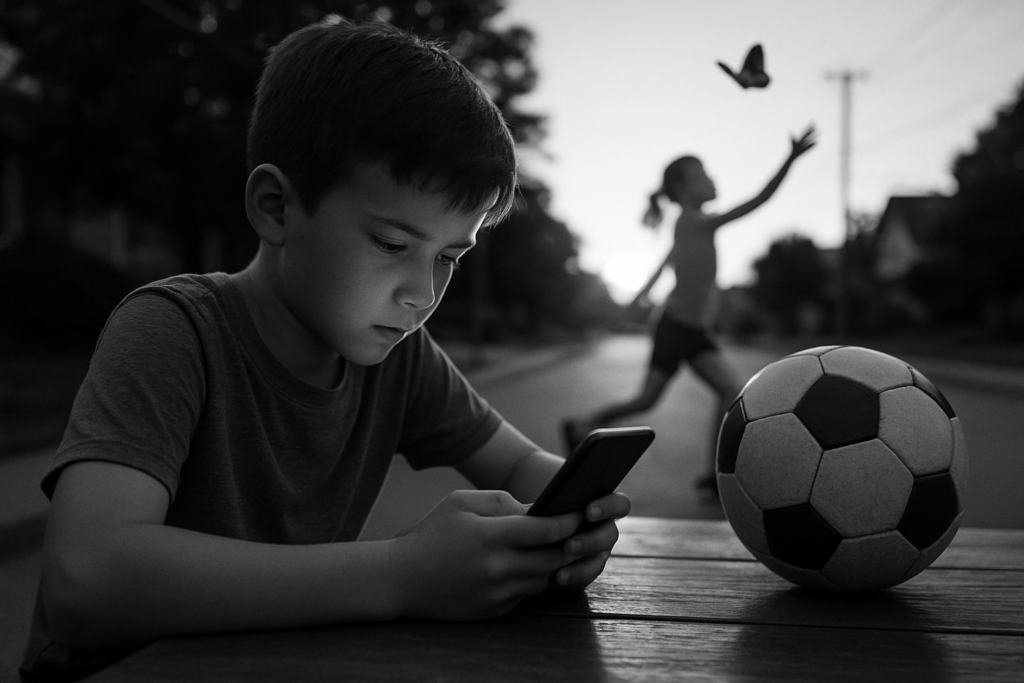
Where the Balance Tips: What’s at Stake
Look inside most playrooms today, and you’ll see a quiet tug of war. On one end: glowing screens with fast paced games, streaming shows, and endless taps and swipes. On the other: a pile of colorful plastic bricks waiting for hands on imagination. It’s not a battle of good vs evil it’s a matter of balance.
Here’s the concern: kids today are clocking in more screen hours than ever. And while some of that time is undeniably educational or social, overexposure is sounding alarms. Experts point to rising issues with attention span, sleep disruption, emotional regulation, and delays in motor skill development. A screen can teach shapes and songs, but it won’t ask a child to think in 3D or cooperate with a sibling to test an idea.
That’s where physical play especially brick based play steps in. No batteries, no loading screens. Just structure, creativity, and problem solving you can hold in your hands. Brick play builds more than towers. It builds patience, focus, and a sense of accomplishment. It’s low tech, but not low impact.
In a world where tech keeps getting louder, that moment of quiet concentration over a brick built spaceship or a sprawling make believe city might be exactly what growing minds need.
The Benefits Built into Brick Play
Brick based play stands apart in a world increasingly dominated by screens. These tactile activities unlock a host of benefits that support children’s cognitive, emotional, and social development.
Cognitive Superpowers in Every Build
Hands on play with bricks activates multiple thinking skills at once. As children plan, stack, rebuild, and problem solve, they’re engaging in meaningful mental workouts:
Creativity boost: Open ended builds encourage imaginative thought and innovation
Problem solving: Children naturally troubleshoot design flaws and structural issues while building
Spatial reasoning: Visualizing dimensions and structure sharpens spatial awareness, which supports future skills in math, art, and engineering
Building Emotional Strength
Beyond brain power, brick play quietly builds emotional resilience. It offers a setting where progress is earned, mistakes are fixable, and persistence pays off:
Focus and patience: Step by step building cultivates attention spans and teaches delayed gratification
Confidence: Completing a model or invention gives kids a sense of achievement and ownership that screens rarely can match
Connection, Whether Solo or Shared
One of the strengths of brick play is its flexibility it supports both independent imagination and cooperative teamwork:
Independent play: Kids can entertain and challenge themselves, building solo projects that reflect personal interests
Collaborative play: Siblings, friends, and even parents can join in, turning the activity into a team effort that encourages communication and coordination
Brick play isn’t just a break from screens it’s a foundation for skills that will serve kids for life.
The Magnetic Pull of Screens
Why Screens Are So Alluring
Today’s digital content is designed with precision to grab and hold attention. For kids, engaging colors, motion, and rewards make screens almost irresistible.
Many apps use gamification to encourage longer play sessions
Instant gratification creates dopamine cycles, making screens feel rewarding
Autoplay and fast paced content reduce natural stopping points
While it may start innocently enough, habitual screen time can quickly become the default activity.
The Double Edged Sword of Educational Content
Not all screen time is equal. Educational apps and programs can add real value but they’re not without their downsides.
Benefits:
Interactive learning through games can reinforce math, reading, and logic skills
Documentaries and tutorials can introduce kids to new interests
Language learning apps and coding games build useful skills
Limitations:
Not all “educational” apps are vetted or effective
Passive consumption (e.g., videos labeled as “educational”) often lacks depth
Relying solely on digital education can reduce real world exploration
Red Flags: When Screens Take Over
It’s easy to miss the tipping point when digital time begins to edge out offline play. Watch for these warning signs:
Decreased interest in toys, building sets, or outdoor activities
Frustration or irritability when asked to pause screen use
Shorter attention spans or difficulty focusing during offline tasks
Using screens as a go to remedy for boredom, rather than one of many options
When screen time starts replacing social interaction and hands on experiences, it’s a cue to reevaluate the balance.
Strategies That Actually Work

Setting screen time rules doesn’t have to feel like waging war. Start simple: agree on limits ahead of time when things are calm not when they’re already mid game or mid build. Use firm, consistent boundaries, but stay flexible around how they get enforced. The key is structure, not punishment.
Weekly routines help. Try alternating days: Monday is a screen day, Tuesday is a build day. Or go with a daily mix 30 minutes of screen time unlocked after 45 minutes of brick play. Some families swear by timers. Others use a reward system where completed builds earn screen tokens. Whatever the method, consistency matters more than complexity.
Encourage self managed switches. When kids help set the routine, they stick to it better. Post the schedule on the fridge. Use a visual timer. Let them choose which build day theme they want. These small bits of ownership make a huge difference.
Here’s what’s worked long term: parents building alongside their kids for the first 10 minutes of brick time. Rotating build challenges to fend off screen temptation. Having a “no nag” rule where the timer reminds everyone when it’s time to switch, not mom or dad.
Want help building your own system? Explore more: balanced routine tips
Making Brick Play More Engaging
If you want kids to stick with brick play, routine isn’t the enemy it’s fuel. One way to keep things fresh is by rotating themes and building prompts. Think flexible missions like “design your dream school,” “build a time machine,” or “construct a Mars rover.” These not only fire up imagination, they also help put some structure around all that creativity.
Letting kids display what they build can make a huge difference. Whether it’s a shelf in their room or a spot at the dinner table, showcasing finished builds gives them ownership. It’s a small move that adds a big dose of motivation.
Brick play doesn’t have to be solo either. Get siblings or parents involved to turn a casual session into real collaboration. Team projects teach compromise, planning, and creative problem solving without needing a screen.
And speaking of screens, use them wisely. Watching a cool build video or a documentary can be a launchpad to hands on play. The trick is in the pivot: screen time becomes inspiration, not distraction. Watch, then make.
Keep it flexible. Keep it fun. Build more than just bricks build habits that stick.
Simple Rules That Make It Sustainable
There’s no one size fits all rule for screen time but there are boundaries that help. For younger kids (under 6), the American Academy of Pediatrics still says one hour per day of high quality content. Older kids can handle more, especially if it’s split between school and free time. The key is being intentional about what that time involves: fast paced games? Quiet storytelling apps? Social media scrolling?
Now pair it: match every minute of screen time with a minute of hands on, brick based play. Not as punishment it’s about balance. Let them build a spaceship after watching one in a show. Make the screen fuel something real they can create with their hands. That one to one rhythm makes both types of play more meaningful.
But don’t turn it into a lecture. Check in. Ask what they built. Ask what they watched. Keep it a two way street. These rules only work if kids feel part of the process not just subject to it.
For more on setting routines that actually click with families, check out these balanced routine tips.
Final Thought Starters
Let’s be clear: the target isn’t zero screen time. That’s not realistic, and honestly, not necessary. Screens are tools sometimes helpful, sometimes addictive. The key is teaching kids how to use them, not fear them.
Bricks and screens don’t have to be rivals. They can coexist. The trick is setting boundaries that both respect tech and leave room for hands on creativity. Maybe it’s screen time after build time. Maybe it’s using a show to spark a building theme. Doesn’t have to be rigid, just consistent.
Kids don’t need complicated systems. They need habits that make space for both kinds of play. Use simple checks. Let them help shape the routine. Give them room to switch gears on their own. That’s how balance starts to stick one brick, one boundary, one decision at a time.