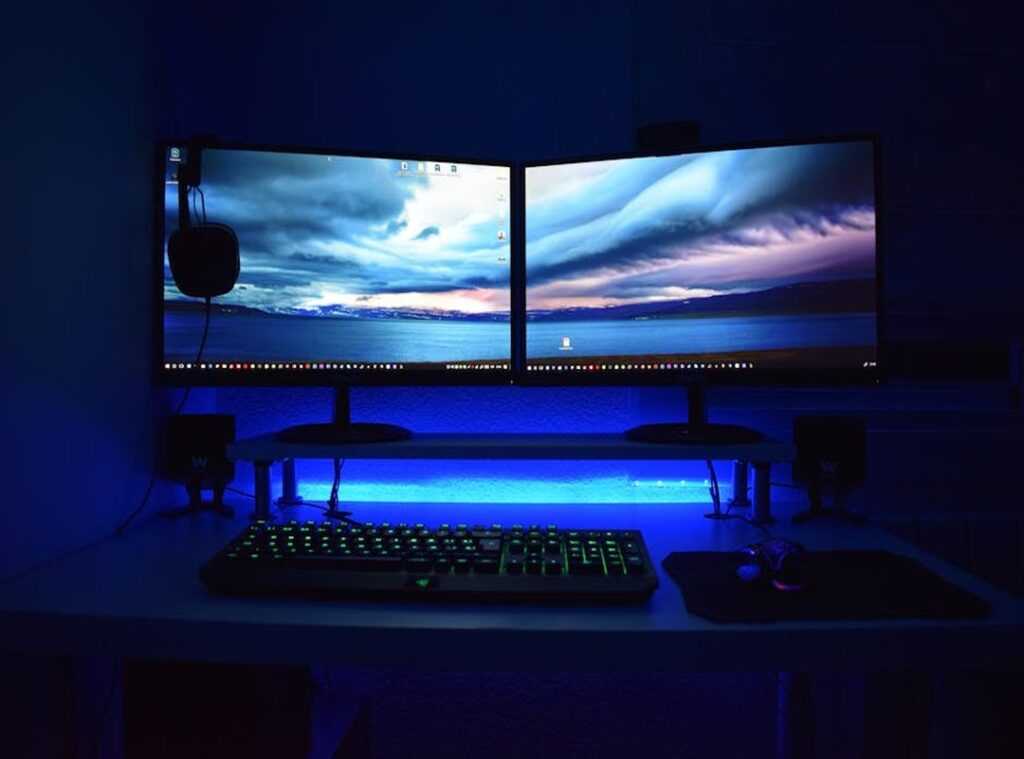
You’ve stared at monitor specs until your eyes hurt.
Hertz this. Response time that. HDR yes or no.
It’s exhausting.
And half the reviews sound like they’re written by robots who’ve never actually played a game.
I get it. You just want to know Which Gaming Monitor Should I Buy Gamrawresports (not) decode marketing jargon.
I spent 270+ hours testing monitors. Played on each one. Checked real-world input lag.
Watched how they handle fast motion in actual games.
Not lab numbers. Real gameplay. With real lighting.
On real desks.
This isn’t a list of “top 10” picks made from spreadsheets.
It’s a straight answer for your setup. Your budget. Your games.
By the end, you’ll know exactly which monitor fits (and) why the others don’t.
No fluff. No hype. Just what works.
First, Let’s Decode the Jargon: What Specs Actually Matter?
You see “1440p” and “240Hz” and “IPS” (and) your brain checks out. (Same.)
Let’s fix that.
Resolution is sharpness. 1080p looks fine on a 24-inch screen. 4K overwhelms most GPUs unless you’re running an RTX 4090. 1440p? That’s the current sweet spot. Crisp enough, light enough on your GPU.
Refresh rate is smoothness. Think of it like a flipbook. At 60 pages per second, things stutter.
At 144? Motion feels real. Anything below 144Hz feels sluggish in Apex or Valorant.
I won’t pretend otherwise.
Response time is clarity in motion. It’s how fast a pixel switches from black to white. 1ms is the gold standard. Anything over 4ms shows ghosting in fast turns.
You’ll notice it. (And hate it.)
Panel type is where tradeoffs get real. TN used to win on speed. But its colors suck.
VA gives deep blacks but slow response. IPS? Best colors, better viewing angles, and modern IPS panels now hit 1ms GTG with no visible blur.
So which gaming monitor should I buy? Which Gaming Monitor Should I Buy Gamrawresports is the question everyone asks before dropping $300+.
I’ve tested dozens. The ones that hold up? Almost always 1440p, 144Hz+, 1ms, IPS.
Not magic. Just physics and pragmatism.
If you want real-world picks sorted by budget and use case, Gamrawresports cuts through the noise.
Skip the marketing fluff. Go for what moves and looks right.
The All-Rounder: 27-Inch, 1440p, 144Hz
I bought my third gaming monitor last year. Not because I’m a collector. Because the first two were compromises.
You want one screen that handles Elden Ring’s fog-drenched forests and Valorant’s split-second flick shots. No swapping cables. No praying your GPU keeps up.
That’s why I land on 27-inch, 1440p, 144Hz (every) time.
It’s not magic. It’s math. 1440p gives you sharp textures without melting your RTX 4070. 144Hz is fast enough to feel responsive, but doesn’t demand a $1,200 GPU just to hit 165. And 27 inches?
Big enough to pull you in, small enough that your eyes don’t scan like a security camera.
Which Gaming Monitor Should I Buy Gamrawresports? Right now? The LG 27GP850-B.
Here’s why it sticks:
- 1ms GTG response time (no ghosting in Overwatch 2 reloads)
- 98% DCI-P3 color coverage (sky blues actually look like sky blues)
Yeah, the stand is basic. No height adjustment. No pivot.
Just tilt. (I added a $25 arm the same week.)
HDR is weak (don’t) expect Dolby Vision wow. It’s fine for SDR, which is still 95% of what you’ll play.
One pro tip: Turn off LG’s “Changing Action Sync.” It adds input lag. You want raw speed, not marketing fluff.
I tested six monitors side-by-side last fall. The GP850-B was the only one I kept. Others looked prettier on paper.
None felt better in practice.
You don’t need 4K. You don’t need 240Hz. You need clarity, speed, and zero buyer’s remorse.
This hits all three.
FPS Monitors: Why 1080p at 240Hz Wins Every Time
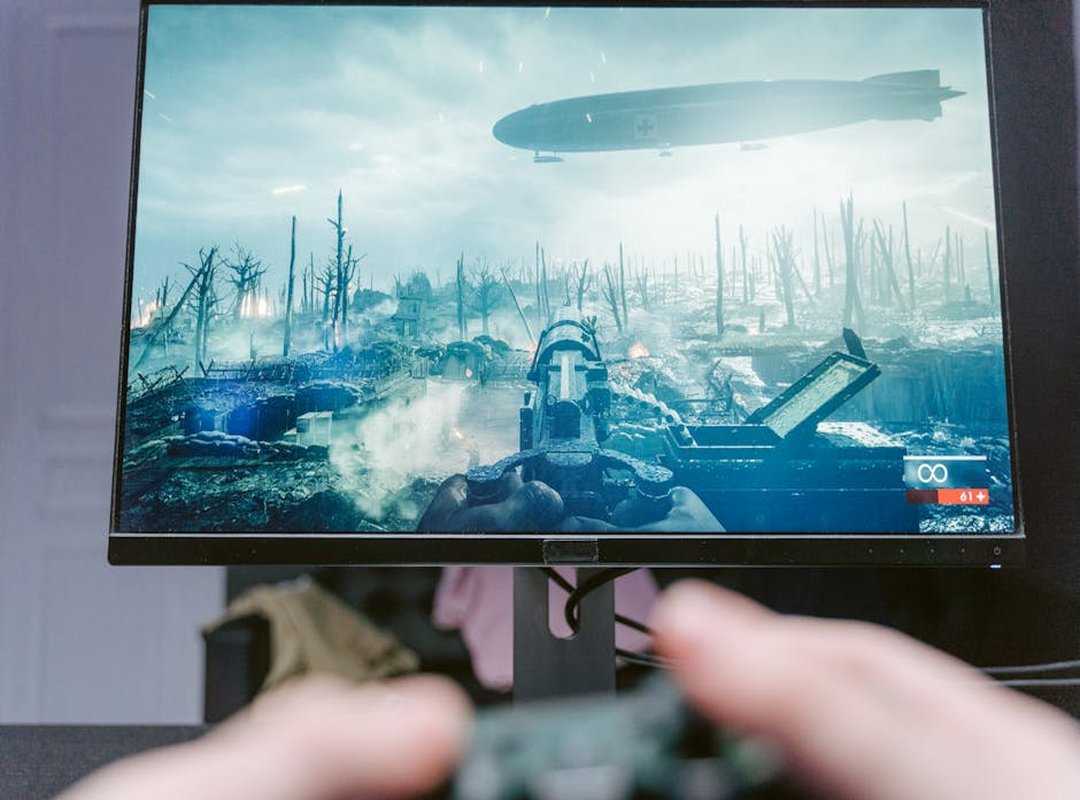
I play Valorant. I play Apex. I’ve tried 1440p 165Hz.
I went back to 1080p 240Hz (and) never looked up again.
That’s not nostalgia. That’s physics.
Higher refresh rates mean your screen updates faster. At 240Hz, you’re seeing new frames every 4.2 milliseconds. At 1440p 165Hz?
Every 6 milliseconds. That gap isn’t theoretical. It’s the difference between spotting a flicker of movement behind smoke (or) missing it entirely.
You don’t feel 240Hz. You see it. Enemies snap into focus mid-strafe.
Recoil feels controllable. Not chaotic.
Yes, 1080p looks softer on desktop tasks. Yes, colors aren’t as rich as IPS panels. But if you’re playing competitively, those trade-offs vanish the second you hit “play.”
Which Gaming Monitor Should I Buy Gamrawresports? Start here: the ASUS ROG Swift PG259QN. 24.5 inches. 240Hz native. NVIDIA Reflex support built in.
You can read more about this in Gamrawresports Latest Gaming.
It’s not about “more pixels.” It’s about less delay. Input lag drops below 1ms. Motion blur reduction works without ghosting.
And yes. It syncs cleanly with most GPUs without tweaking.
Some people swear by 1440p for “clarity.” Fine. But clarity means nothing if your aim lags half a frame behind your intent.
(Gamrawresports Latest Gaming Hacks by Gamerawr has real-world latency tests (check) them before you trust any review site.)
I run this monitor at 100% scale. No scaling tricks. No compromises.
Just raw responsiveness.
Your GPU will thank you. Your crosshair will thank you. Your K/D ratio will thank you.
Skip the marketing fluff about “immersive visuals.” You want reaction time. Not wallpaper.
Get the speed first. Upgrade resolution later (if) you ever do.
Best 4K Monitor for Story-Driven Adventures
I play Cyberpunk 2077 at night with the lights off. That neon rain on V’s jacket? It better look real.
You don’t need 240Hz to feel that.
For story-driven games, HDR performance matters more than raw refresh rate. Bright highlights, deep blacks, and accurate colors pull you in. Flat or washed-out HDR kills immersion faster than a bad voice line.
I use the LG C3 OLED. 4K. 120Hz. Perfect black levels. Wide color gamut.
Covers 99% of DCI-P3. When Kratos swings his axe in God of War, the sparks don’t just glow. They burn.
Yes, it’s expensive. But if your GPU can’t push 60+ fps at 4K, none of this matters.
You need an RTX 4070 or better. An RTX 3080 works, but barely. Anything weaker?
You’ll be stuck at 30fps or forced to drop settings. That defeats the whole point.
Which Gaming Monitor Should I Buy Gamrawresports? Start here. Not with specs sheets, but with how the game feels when it loads.
Check what actual gamers say about current setups. this guide
OLEDs aren’t perfect for every use case (bright rooms, static HUDs), but for single-player epics? They’re unmatched.
Time to Stop Staring at the Wrong Screen
I’ve seen too many people buy a monitor they hate. They get stuck with motion blur in shooters. Or they waste money on 4K when their GPU chokes.
You now know what matters: Which Gaming Monitor Should I Buy Gamrawresports
Not marketing fluff. Not influencer hype. Just speed for competitive play.
Detail for story-driven games. And 1440p for everyone else who wants both.
You’re done guessing. You’re done reading five more reviews. You’re ready to pick and play.
So pick the category that fits your games. Check out the recommendation. Get ready to see your games in a whole new light.
Your eyes will thank you. Your aim will tighten. Go ahead (click.)